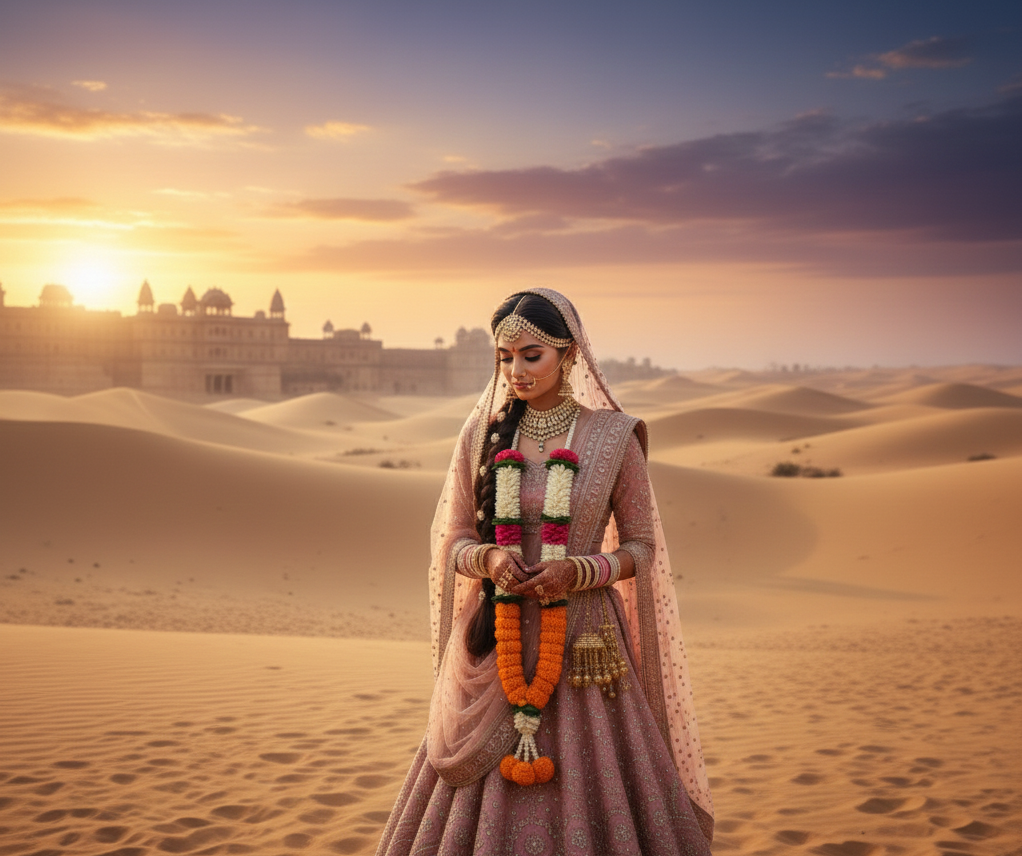
Marwar—land of blazing sands, impregnable forts, and unyielding courage—has been shaped by generations of Rathore rulers whose lives blended valor, wisdom, devotion, and statecraft. From the thunderous call of war drums to the measured silence of diplomacy, the Rajas of Marwar carved their legacy into the soul of Rajasthan. Their glory lives on in folk memory, especially in songs like “Dhuso Bage Re Rathod Ravli Marwar Ko”, declaring that when the mighty Dhuso war drum is played, the fame of Rathore bravery spreads in all ten directions.
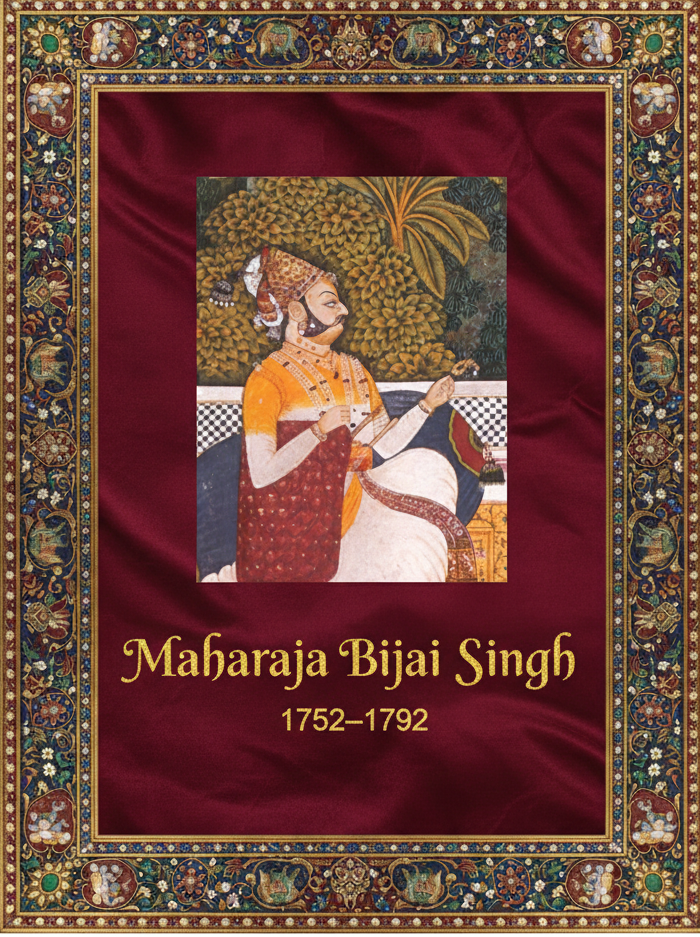
Maharaja Bije Singh (1752–1792)
Maharaja Bije Singh ruled when Marwar stood surrounded by ambition and intrigue. A fearless warrior and firm administrator, he restored order after years of instability and reasserted Rathore authority with quiet confidence. His reign strengthened the military defenses of Jodhpur, reinforced loyalty among nobles, and upheld the sacred Rathore code of honor—where sovereignty was defended not just by sword, but by unwavering resolve.
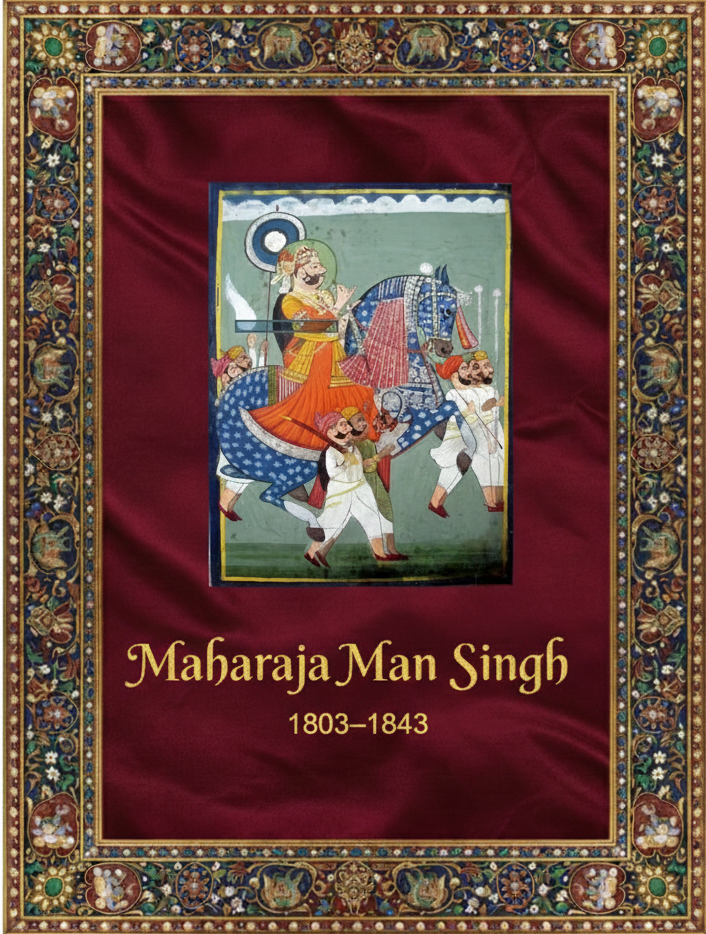
Maharaja Man Singh (1803–1843)
Maharaja Man Singh was a rare union of king and sage. Deeply spiritual and scholarly, he was a devoted Shaivite who authored revered devotional works. Under his patronage, temples, manuscripts, and sacred traditions flourished. Even as external powers expanded influence, he preserved Marwar’s cultural soul—rooted in faith, learning, and inner strength.
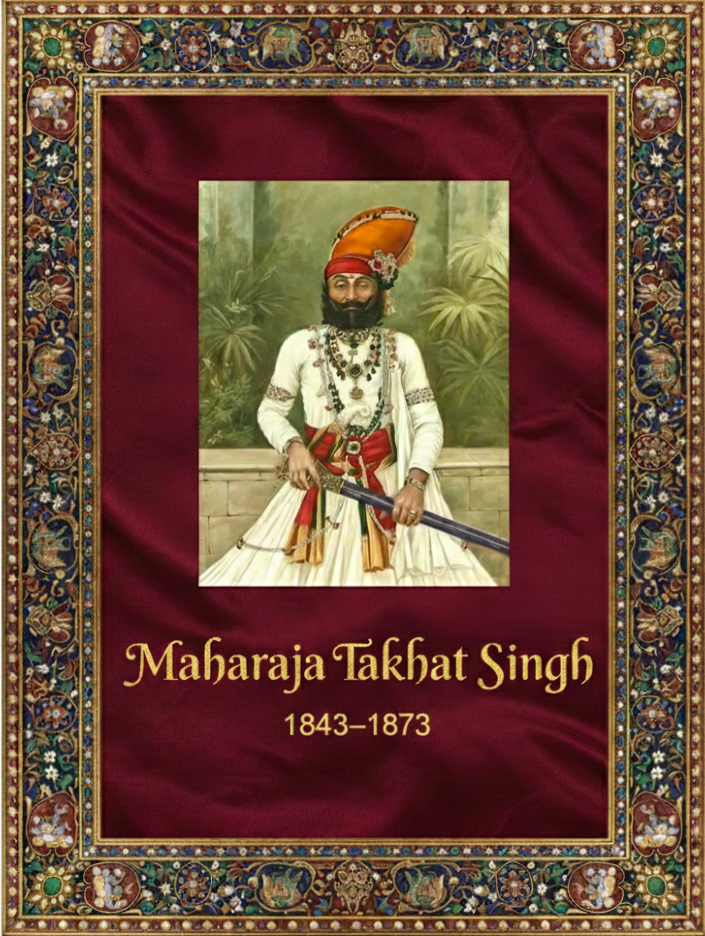
Maharaja Takhat Singh (1843–1873)
Decisive, disciplined, and politically astute, Maharaja Takhat Singh restored stability to Marwar during a sensitive era. His reign emphasized governance, justice, and administrative strength. Balancing diplomacy with firmness, he ensured peace without surrendering pride—marking a vital transition from turbulence to structured rule.
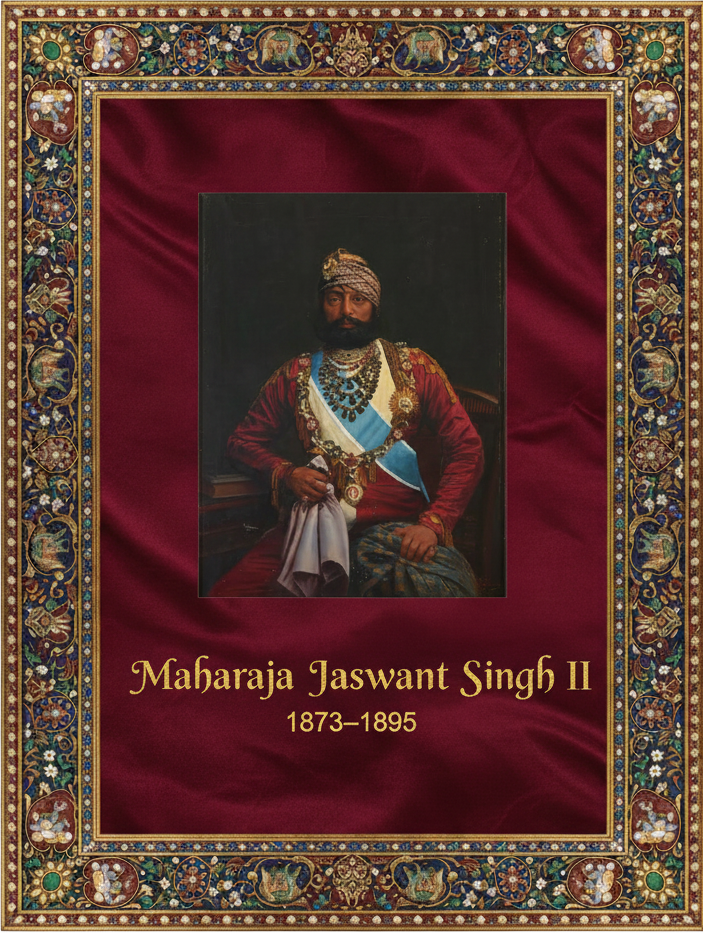
Maharaja Jaswant Singh II (1873–1895)
A visionary reformer, Maharaja Jaswant Singh II guided Marwar into modernity. Railways connected regions, irrigation revived agriculture, courts strengthened justice, and education empowered society. His reign harmonized tradition with progress, ensuring Marwar advanced without losing its proud cultural identity.
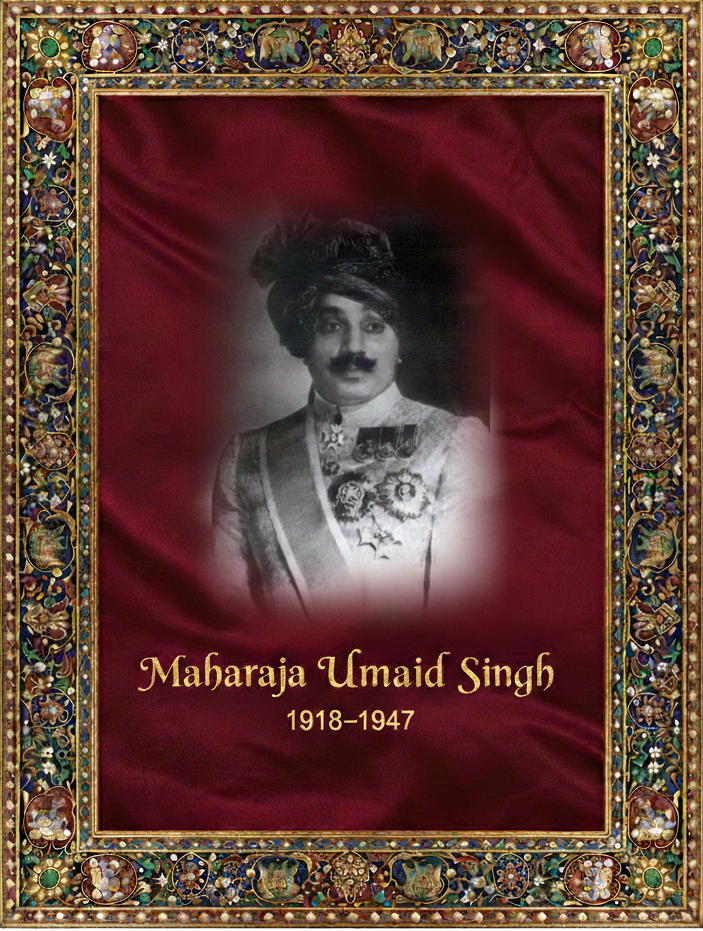
Maharaja Umaid Singh (1918–1947)
Maharaja Umaid Singh is remembered as a compassionate visionary. During devastating famines, he transformed adversity into hope by commissioning the Umaid Bhawan Palace—providing employment and dignity to thousands. His reign strengthened healthcare, infrastructure, and public welfare, earning enduring reverence.
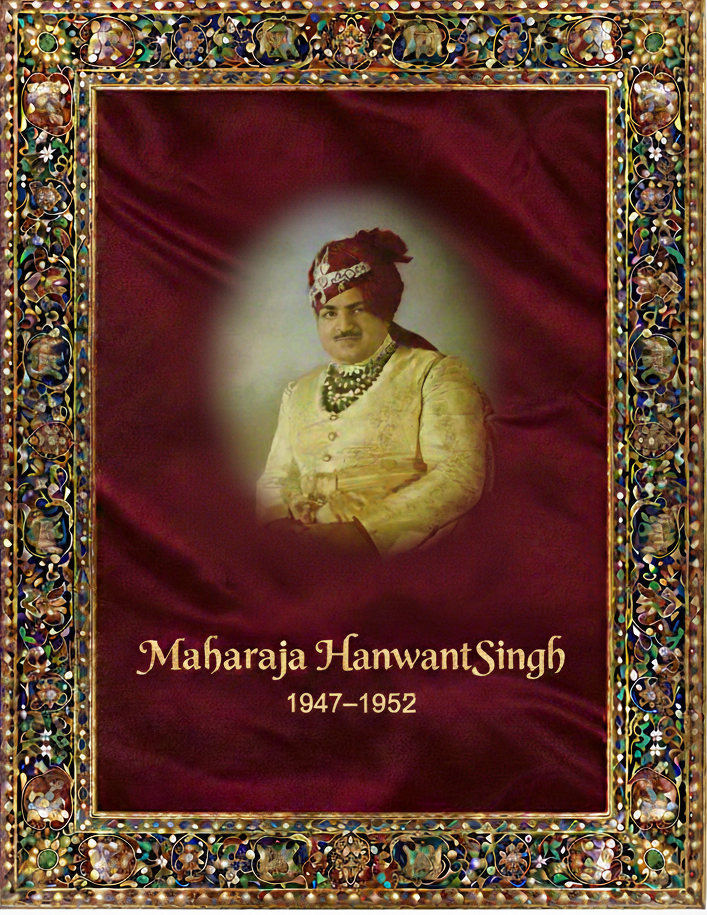
Maharaja Hanwant Singh (1947–1952)
Ruling at the moment of India’s independence, Maharaja Hanwant Singh led with courage and clarity. He ensured Marwar’s dignified integration into the Indian Union while safeguarding regional honor. Though brief, his reign carried historic weight and resolute leadership.
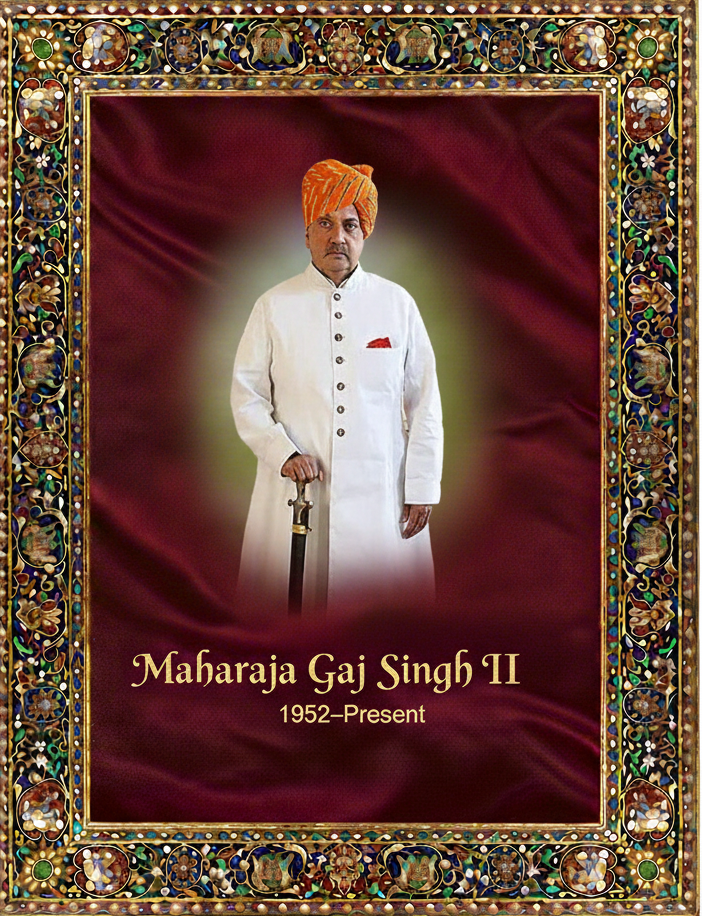
Maharaja Gaj Singh II (1952–Present)
Maharaja Gaj Singh II stands as the modern custodian of an ancient legacy. A statesman, conservationist, and cultural ambassador, he has dedicated himself to heritage preservation, ecological responsibility, and social service—embodying enlightened stewardship in modern India.
Echoes in Folk Memory
The valor of Marwar’s rulers lives vibrantly in folk traditions. Songs like “Dhuso Bage Re Rathod Ravli Marwar Ko” are living chronicles, declaring that when the Dhuso war drum sounds, the glory of Rathore bravery echoes in all ten directions—timeless and unbroken.
A Glory Beyond Centuries
These Rajas represent only a few shining chapters from Marwar’s long and illustrious history. The Rathore lineage stretches back many centuries—far beyond recorded memory—rooted in sacrifice, honor, and unyielding pride. From ancient battlefields to modern cultural guardianship, the spirit of Marwar endures, eternal and undefeated.